Platinum Gemstone RingsPlatinum Pink Sapphire Rings | PlatinumYellow Sapphire Rings |Platinum SapphireRings | Platinum Ruby Rings |
 |
|
|
|
|
- -
|
- -
|
|
Our jewelry is sorted from approximately low to high price
|
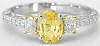 |
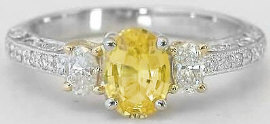
| 1.36 ctw Oval Yellow Sapphire and Diamond Ring in Platinum (Matching Band Available) |
In Stock
GR-5752
from $2749 Platinum Sapphire Ring Details |

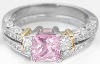 |
| 1.59 Light Pink Sapphire and
Diamond Ring in Platinum (Free Matching Band)
Looks like a Pink Diamond! |
In Stock
GR-5332from $3129 Platinum Sapphire Ring Details |
 |
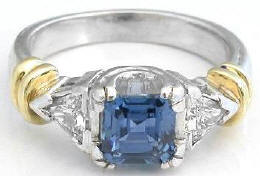
| 1.9 ctw Square Cut Blue Sapphire & Trillion Diamond Ring in Platinum |
In Stock
GR-5216$4999 Platinum Gemstone Ring Details |
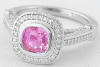 |
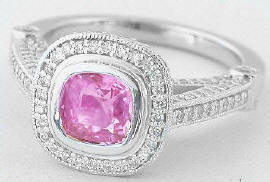
| 1.93 ctw Pink Sapphire and Diamond Ring in Platinum |
In Stock
GR-5750$4799 Sapphire Ring Details |

 |
| 1.80 ctw Heart Shape Pink Sapphire and Diamond Ring and
Band in Platinum
(Includes Matching Band) |
In Stock
GR-5336$5499 Platinum Gemstone Ring Details |
 |
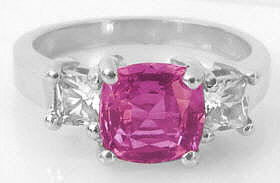
| 2.23 ctw Unheated Ceylon Pink Sapphire Princess Cut White Sapphire Ring in Platinum |
In Stock
GR-5846$5299 Platinum Pink Sapphire Ring Details |

 |
| 3.13 ctw Ceylon Pink Sapphire and Princess Cut Diamond Ring |
In Stock
GR-5329$7099 Pink Sapphire Engagement Ring Details |

 |
2.82 ctw Pink Sapphire & Diamond Ring in Platinum |
In Stock
GR-5551$6299 Platinum Sapphire Ring Details |

 |
| 2.83 ctw Ceylon Sapphire and Diamond Ring in Platinum |
In Stock
GR-5416$6999 Platinum Sapphire Ring Details |

 |
| 2.48 ctw Ceylon Blue Sapphire and Diamond Ring in Platinum |
In Stock
GR-5903
$7799 Ring Details |

 |
| 4.12 ctw Ceylon Pink Sapphire and Diamond Ring in Platinum |
In Stock
GR-5576$13599 Platinum Pink Sapphire Ring Details |
| Platinum Jewelry: Platinum is pure, rare, eternal and versatile. Platinum is a natural white metal and because it is generally 95% pure (18 karat gold is 75% pure), platinum jewelry does not fade or tarnish and will keep its look for a lifetime. Platinum's purity makes it hypoallergenic and ideal for those with sensitive skin. Platinum is extremely rare, 35 times rarer than gold. In fact, it is estimated that if all the platinum in the world were poured into one Olympic swimming pool it would be scarcely deep enough to cover your ankles! Gold would fill more than three pools. Platinum is eternal and platinum jewelry is the perfect choice for a lifetime of everyday wear. Its density and weight make it more durable than other jewelry metals. Platinum does not wear away and holds precious stones firmly and securely. Like all precious metals, platinum scratches. However, the scratch on a platinum piece is merely a displacement of the metal and none of its volume is lost. You can feel the difference in a platinum ring. Platinum weighs 60% more than 14k gold. In addition to its strength and density, platinum is remarkably pliable. Just one gram of platinum can be drawn to fine wire over one mile long. Platinum also plays an important role in medicine. It is not affected by the oxidizing reaction of blood, has excellent conductivity, and is compatible with living tissue. Because of these properties, platinum is used for pacemakers and is a life-saving metal for many people. Platinum's rarity and uncommon characteristics make it exclusive and distinctive. Caring for platinum: Remove your platinum jewelry on when doing home cleaning, gardening and other types of heavy work or manual labor. Don't handle bleach or harsh chemicals when wearing platinum jewelry. Although they won't hurt the platinum, chemicals may discolor diamonds or gemstones. Store pieces separately so they will not be scratched by other items of jewelry. Clean your platinum jewelry the same way you clean other fine jewelry, using a pre-packaged jewelry cleaner or by soaking it in a mild solution of soap and warm water then gently rubbing it with a soft cloth. Take your platinum piece to a qualified jeweler for polishing if visible scratches appear. All precious metals can scratch and platinum is no exception. However, the scratch on platinum is merely a displacement of the metal and none of its volume is lost. Over time, platinum develops a natural patina that many people prefer over the "just polished" appearance. When this happens, you can take your piece to a qualified jeweler to have it re-polished to a high gloss look. |