|
Platinum Jewelry:
Platinum is pure, rare, eternal and versatile. It is a natural white metal and because it is
generally 95% pure (18 karat gold is 75% pure), platinum jewelry
does not fade or tarnish and will keep its look for a lifetime. Platinum's purity makes it hypoallergenic and
ideal for those with sensitive skin. Platinum is extremely rare, 35 times rarer than
gold. In fact, it is estimated that
if all the platinum in the world
were poured into one Olympic swimming pool it would be scarcely deep enough to cover your ankles!
Gold would fill more than three pools.
Platinum is eternal and platinum jewelry is the perfect choice
for a lifetime of everyday wear. Its density and weight make it more durable than other
jewelry metals. It does not wear away and holds precious stones
firmly and securely. Like all precious metals, platinum scratches. However, the scratch on a platinum piece is
merely a displacement of the metal and none of its volume is lost. You can feel the difference in a platinum
ring. It weighs 60% more than 14k gold. In addition to its
strength and density, platinum is remarkably pliable. Just one gram of platinum can be drawn to fine wire over one
mile long. It also plays an important role in medicine. It is not affected by the oxidizing
reaction of blood, has excellent conductivity, and is compatible with living tissue. Because of these properties,
platinum is used for pacemakers and is a life-saving metal
for many people. Platinum's rarity and uncommon characteristics make it exclusive and distinctive.
Caring for platinum: Remove your platinum jewelry on when doing home cleaning, gardening and other types
of heavy work or manual labor. Don't handle bleach or harsh chemicals when wearing
platinum jewelry. Although they won't hurt the platinum, chemicals
may discolor diamonds or gemstones. Store pieces separately so they will not be scratched by other items of
jewelry. Clean your platinum jewelry the same way you clean other fine jewelry, using a pre-packaged jewelry
cleaner or by soaking it in a mild solution of soap and warm water then gently rubbing it with a soft cloth. Take
your platinum piece to a
qualified jeweler for polishing if visible scratches appear. All precious metals can scratch and platinum is no
exception. However, the scratch on platinum is merely a displacement of the metal and none of its volume is lost.
Over time, platinum develops a natural patina that many people prefer over the "just polished" appearance. When
this happens, you can take your piece to a qualified jeweler to have it re-polished to a high gloss look.
Diamonds:
Diamond jewelry makes a wonderful
gift for any occasion, whether it be a self-purchase just because you deserve it or a first
fine jewelry gift to a sweetheart or a deeply
sentimental choice to celebrate your years together. The diamonds that MyJewelrySource.com uses in our jewelry
meet very strict grading standards and we are very proud of the quality, workmanship and selection we offer.
Ultimately the selection of diamond jewelry is based on your taste and preferences and MyJewelrySource.com offers
a very wide range of styles from delicate
baby shoe pendants for
the mom-to-be to dramatic
diamond crosses to celebrate your faith or make a fashion statement. Our
diamond heart pendants can
express your love beautifully and our
solitaires are always in
style. Our diamond ring
selection ranges from classic
anniversary bands and
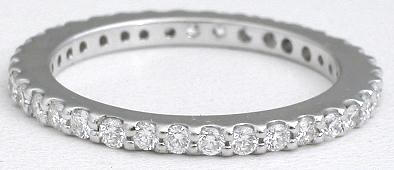
eternity band rings to
engagement mountings to
colored diamond
fashion pieces. In our diamond
bracelet collection, you will find traditional
tennis bracelets and
sophisticated bangles.
Diamond
earrings are always the perfect gift; we offer a wide selection of
diamond studs, fashionable
inside-outside
styles, and dressy pieces.
Diamonds are the hardest substance known to man with the highest rating of 10 on the Mohs scale of hardness.
Only a diamond can scratch
another diamond. A diamond
is made of pure carbon, the only gemstone made of just one element. Interestingly, carbon is the building block
that is found in every living thing on Earth. What makes
diamonds so hard is their
unique crystal structure, the specific arrangement of carbon atoms. Millions and millions years ago when the
continents were formed, enough heat and pressure were present deep inside the Earth to create diamonds.
Blue diamonds are
created when boron is present in addition to the carbon atoms.
Yellow diamonds
form when nitrogen is present. Diamonds have found their way to the surface through the eruption of volcanoes. The
rock formed by the volcanoes is called Kimberlite and that is where diamonds are found. Today diamonds are mined
in about 25 countries, with a large percentage being mined in South Africa.
Diamond care: Diamonds repel water but unfortunately readily accept wax or grease.
Diamonds will become dirty and
dull when they are exposed to skin oils, perfumes, lotions, dirt, and dust. These elements adhere to the
surface of the diamond and reduce its brilliance. While steaming and ultrasonic cleaning will not damage
diamonds, these methods are not
recommended by MJS as they may loosen the setting, and subsequently, stones may fall out. Your
diamond jewelry may also be cleaned
with a soft-bristled brush or a cloth with plain or soapy water or mild household chemicals. |